Worried About Incomplete Results? Choose Comprehensive At-Home Allergy Testing
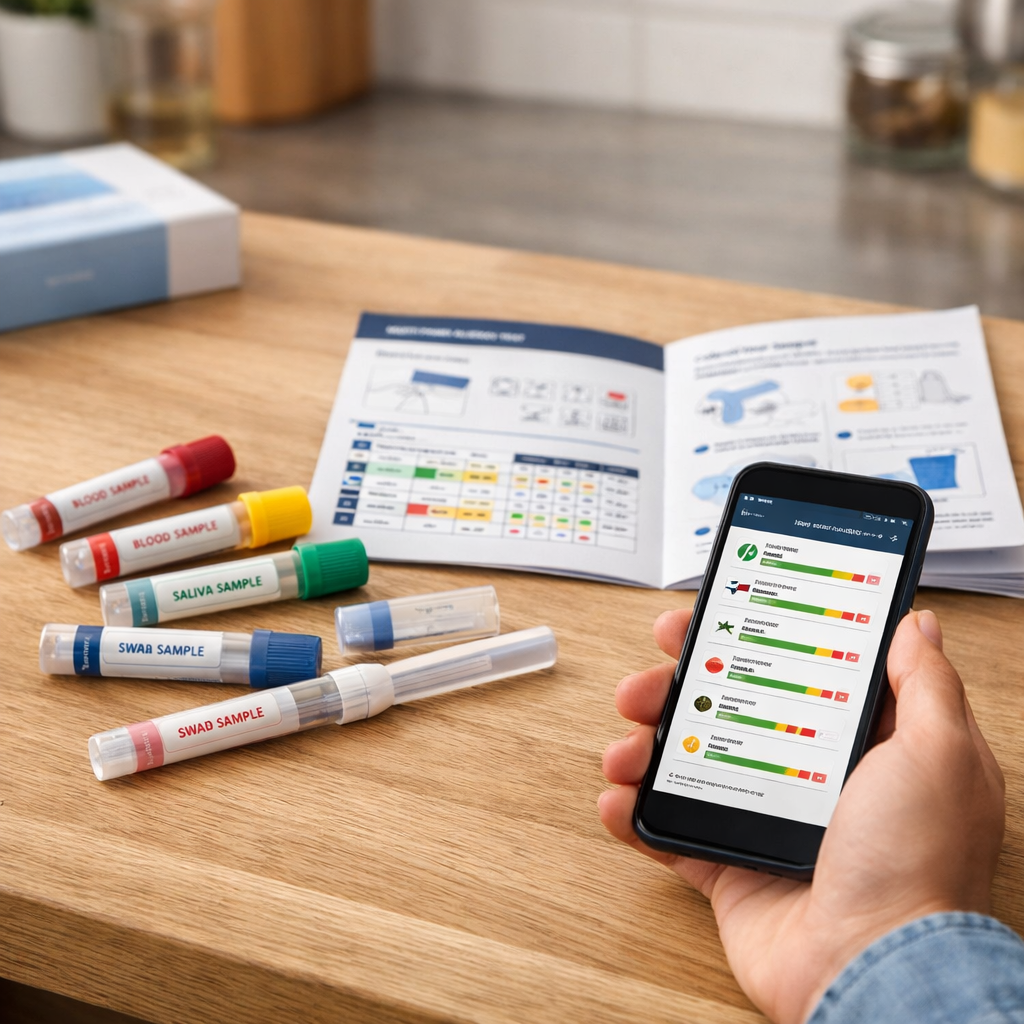
If you’ve tried a kit and felt the results were vague, missing likely triggers, or just hard to act on, you’re not alone. The most complete at-home options pair specific IgE (sIgE) blood testing in CLIA-certified labs with panels that match your history—and include easy access to an allergist for interpretation. At-home allergy tests are useful screening tools, but medical evaluation remains the gold standard. Too Allergic is an independent, caregiver-led, evidence-oriented resource; our content is educational only and not medical advice. This guide shows how to avoid narrow panels, IgG-only kits, and hair tests that can mislead, and how to choose comprehensive allergy testing that reduces false positives and false negatives while setting you up for confident next steps (ENT guidance on at-home risks; Cleveland Clinic overview).
Why many at-home allergy results feel incomplete
Many kits screen only a small set of allergens, so you can miss the true culprit or get false positives/negatives that lead to unnecessary eliminations or false reassurance (ENT caution on narrow, misleading panels). Others use nonstandard methods or lack rigorous quality controls, which can make results inconsistent across brands (hospital review of reliability gaps). Better choices and clinical follow-up close the gap.
“Sensitization vs allergy” in plain terms:
“Sensitization means your immune system has made IgE antibodies to an allergen, which lab tests can detect. Clinical allergy means you develop consistent, reproducible symptoms after exposure. You can be sensitized without reacting, so a lab positive requires clinical context to confirm true allergy” (discussion of diagnostic gaps).
What comprehensive really means in allergy testing
“Comprehensive” is not just a bigger list. It’s a history-led approach paired with high-quality sIgE testing, followed by clinician interpretation. History is the most important diagnostic tool, and sIgE alone does not reliably predict reaction severity or likelihood without that context (why history leads accuracy). This is also the lens Too Allergic uses in its independent comparisons.
Definition: CLIA-certified lab. In the U.S., CLIA certification regulates lab quality and testing standards. CLIA-certified labs must meet strict validation, proficiency, and quality controls, supporting more reliable, reproducible results.
Comparison snapshot:
| Aspect | Comprehensive approach | Incomplete approach |
|---|---|---|
| Methods | sIgE blood testing (and/or skin testing) | IgG-only tests or hair analysis |
| Lab | CLIA-certified lab with quality controls | Unaccredited or unclear lab status |
| Panel design | Targeted breadth (environmental, food, occupational/metal) guided by history | One-size-fits-all, narrow or indiscriminate mega-panels |
| Interpretation | Clear report plus allergist review or referral | No clinical interpretation or follow-up pathway |
IgE versus IgG and hair tests
IgE testing—via skin tests or specific IgE blood assays—is the accepted method for identifying IgE-mediated allergy. IgG has not been validated to diagnose allergy or so-called “sensitivities,” and can reflect normal exposure rather than disease (Cleveland Clinic on IgG limits; health system review). Hair testing cannot diagnose true food allergy because hair contains no IgE (clinical explanation of home test pitfalls).
“Food allergy vs intolerance”:
“Food allergies are IgE-mediated and cause immediate, reproducible symptoms after exposure; intolerances are non-immune (like lactose intolerance), lack validated blood tests, and follow different evaluation paths” (pediatric guidance).
How to choose a clinically sound at-home test
Use this 3‑step framework:
- Confirm sIgE methodology (not IgG, not hair).
- Verify CLIA-certified processing and look for published performance details.
- Ensure easy access to board-certified allergist interpretation or referral (hospital reliability checklist; academic guidance on home kits).
Warning: Some manufacturers claim 70–90% “accuracy,” but independent validation is limited; without clinical context, diagnosis remains uncertain (industry summary on accuracy claims).
For a side-by-side of leading sIgE kits and lab details, see Too Allergic’s independent comparison of at-home blood allergy tests.
https://www.tooallergic.com/2026-comparison-leading-at-home-blood-allergy-tests-features-accuracy/
Validated methods and accredited labs
- Look for specific IgE blood assays processed in CLIA-certified labs; note that accuracy still varies by company—even with CLIA status—so published performance metrics still matter (academic review of home kits).
- Prioritize kits that publish limits of detection, agreement with skin testing, and complete test menus; many home health tests lack public data and can be inaccurate or misleading (investigative review of DTC test harms). Too Allergic highlights kits that disclose these details.
Mini‑glossary:
- sIgE test: a blood test measuring allergen-specific IgE antibodies to indicate sensitization; always needs clinical correlation.
- Component testing: measures IgE to individual proteins within an allergen (for example, Ara h 2 in peanut) to refine risk assessment and guide challenges.
Breadth that matches your history
Right-size the panel to your symptoms and exposures:
- Environmental: pollens, dust mites, pet dander, molds.
- Food: common triggers such as peanut, tree nuts, milk, egg, shellfish, wheat, soy.
- Occupational/metal: wood dust, nickel contact.
Indiscriminate “100‑food” IgG screens are not interpretable; comprehensive means targeted breadth anchored to timing and exposure patterns, not a bigger list (why history-first testing works; IgG limitations).
Definition: Exposure history. A structured record of when, where, and how symptoms occur relative to allergen encounters. It grounds lab findings in real life and reduces unnecessary testing and noise.
Clear reporting and allergist follow-up
Choose kits that provide:
- Readable sIgE values with reference ranges and brief notes on cross-reactivity.
- Built-in telehealth or an easy referral to a board‑certified allergist; lack of clinician input increases misinterpretation risk (ENT warning on misreads). In our reviews, Too Allergic flags kits that include clear reporting and access to allergist follow‑up.
Confirm positives or unexpected findings clinically before changing diets or medications; unnecessary elimination can, in some contexts, increase allergy risk and often adds nutritional burden (academic guidance on elimination risks).
Simple path to action:
Result received → match to symptom history → discuss with clinician → consider skin testing/component testing → consider supervised oral food challenge if uncertainty remains.
When at-home testing is helpful versus when to see an allergist
Helpful at home:
- Mild-to-moderate, non-urgent symptoms.
- Initial screening for common environmental or food allergens.
- Tracking sensitization changes to inform clinician discussions.
See an allergist promptly:
- Severe or reproducible reactions, or any history suggesting anaphylaxis.
- Children with complex histories or multiple suspected triggers.
- Confusing results that don’t match symptoms. When tests are inconclusive, supervised oral food challenges confirm diagnosis and can improve confidence and quality of life (clinical review of oral food challenges). History-led evaluation remains central to accuracy and cost-effective care (diagnostic gap analysis). If you need help finding care, see Too Allergic’s clinic comparison.
Making your results actionable without overreacting
A safe, stepwise plan:
- Log symptoms and exposures in detail.
- Compare patterns to sIgE findings.
- Review with a clinician before diet or medication changes.
- Confirm with skin testing and/or component testing as needed.
- Consider a supervised oral food challenge for unresolved food questions (oral food challenge guidance).
Avoid acting on IgG results or hair analyses; they are not validated for diagnosing allergy and can trigger false positives/negatives and unnecessary lifestyle changes (reliability review; ENT caution). A review found many direct‑to‑consumer tests could lead to erroneous results or actions, underscoring the need for clinical oversight (investigative reporting on DTC tests).
Too Allergic’s caregiver perspective and independence
Too Allergic was founded by a caregiver managing real‑world allergies (nickel, dust mites, grass pollen, wood dust). We are independent, research‑driven, and do not accept vendor influence. This content is educational and not a substitute for professional advice. For board‑certified follow-up, see our unbiased comparisons of trusted online allergy clinics:
https://www.tooallergic.com/best-online-allergy-clinics-of-2026-trusted-board-certified-care/
For a deeper look at test menus, labs, and pricing, start here:
https://www.tooallergic.com/2026-comparison-leading-at-home-blood-allergy-tests-features-accuracy/
Home control and long-term care beyond testing
Results are only useful if they guide safer daily choices. Pair your findings with practical home controls, correct use of intranasal steroids for rhinitis, and—when appropriate—disease‑modifying immunotherapy (SCIT/SLIT). Niche needs like nickel allergy deserve tailored resources, including at‑home screening and diet planning.
Evidence-based home exposure reduction
- Use HEPA air purifiers and MERV 11–13 filters; encase bedding for dust mites; dehumidify damp areas to deter mold; and set pet dander boundaries if sensitized.
- Quick checklist:
- Bedroom: dust‑mite covers, weekly hot‑water washes, HEPA unit.
- Living area: high‑MERV HVAC filter, vacuum with HEPA, reduce clutter.
- Workplace: address wood dust or occupational exposures; consider PPE.
- Timing: ramp up controls during pollen seasons; maintain baselines year‑round.
Explore our home-control guides and product comparisons:
https://www.tooallergic.com/tags/at-home-testing/
Intranasal steroids for nasal symptoms
Intranasal corticosteroids reduce nasal inflammation and congestion from allergic rhinitis; used daily and correctly, they are among the most effective over‑the‑counter options for persistent symptoms. Tips: aim slightly outward to avoid the septum, use daily for several weeks for full effect, and add an oral antihistamine or saline rinses if breakthrough symptoms persist. See a clinician for persistent or severe symptoms.
Immunotherapy education and options
Allergen immunotherapy desensitizes your immune system to specific allergens over time, reducing symptoms and medication needs. Options include subcutaneous injections (SCIT) and sublingual tablets/drops (SLIT). Good candidates have confirmed sensitization plus consistent symptoms; testing should be confirmed and interpreted clinically before planning therapy, with ongoing medical supervision.
Nickel allergy resources and low-nickel diet link
Nickel allergy is a contact dermatitis triggered by nickel in jewelry, devices, and sometimes foods; management focuses on avoidance and, when indicated, dietary adjustments. See our at‑home nickel test guidance and lists of nickel‑rich foods; this differs from IgE‑mediated food allergy management.
https://www.tooallergic.com/how-to-test-for-nickel-allergy-at-home/
Medical disclaimer
Information on Too Allergic is educational and not medical advice. It does not replace a professional diagnosis, treatment, or emergency care. Always consult a board‑certified allergist or your clinician before making diet, medication, or immunotherapy decisions, and seek urgent care for severe reactions.
Frequently asked questions
Are at-home allergy tests accurate enough to replace an allergist visit?
No—use them as screening only; accuracy varies and results need clinical context. Too Allergic’s guides can help you pick a sound kit and plan follow-up with an allergist.
What makes an at-home test panel truly comprehensive?
It uses sIgE methods in accredited labs, covers allergens matched to your symptoms and exposures, and includes clear reporting with easy access to allergist follow‑up. Too Allergic’s comparisons focus on kits that meet these criteria.
Should children or people with severe reactions use at-home tests?
Generally, no—children and anyone with severe or reproducible reactions should see an allergist for supervised evaluation. Too Allergic’s clinic guide can help you find board‑certified care.
How should I act on unexpected or conflicting results?
Don’t overhaul your diet or medications yet—compare results to your symptom history, then review with a clinician to confirm with skin/component testing or a supervised oral food challenge. Too Allergic’s stepwise checklist can help you prepare for that visit.
Will insurance or HSA/FSA cover at-home allergy tests?
Coverage varies by plan and vendor, and reimbursement is inconsistent. Too Allergic’s reviews note HSA/FSA status, but confirm with your benefits provider and request itemized documentation.