Sensitive to Sedation? Trusted Non-Drowsy Antihistamine Relief for Dry, Itchy Eyes
If you’re sensitive to sedation, the wrong allergy medicine can turn a rough eye day into a sluggish one. The good news: you can calm allergic conjunctivitis—itchy, red, sometimes dry eyes—without sacrificing alertness. Start with topical antihistamine or dual-action eye drops to target itch fast and locally; reach for non-drowsy oral antihistamines only when whole‑body allergy symptoms flare. Too Allergic specializes in practical, family‑centered guidance across metal/nickel, food, and pet allergies to help you navigate non-drowsy options at home. This article is informational only and not a substitute for medical advice.
Quick answer for itchy, dry eyes
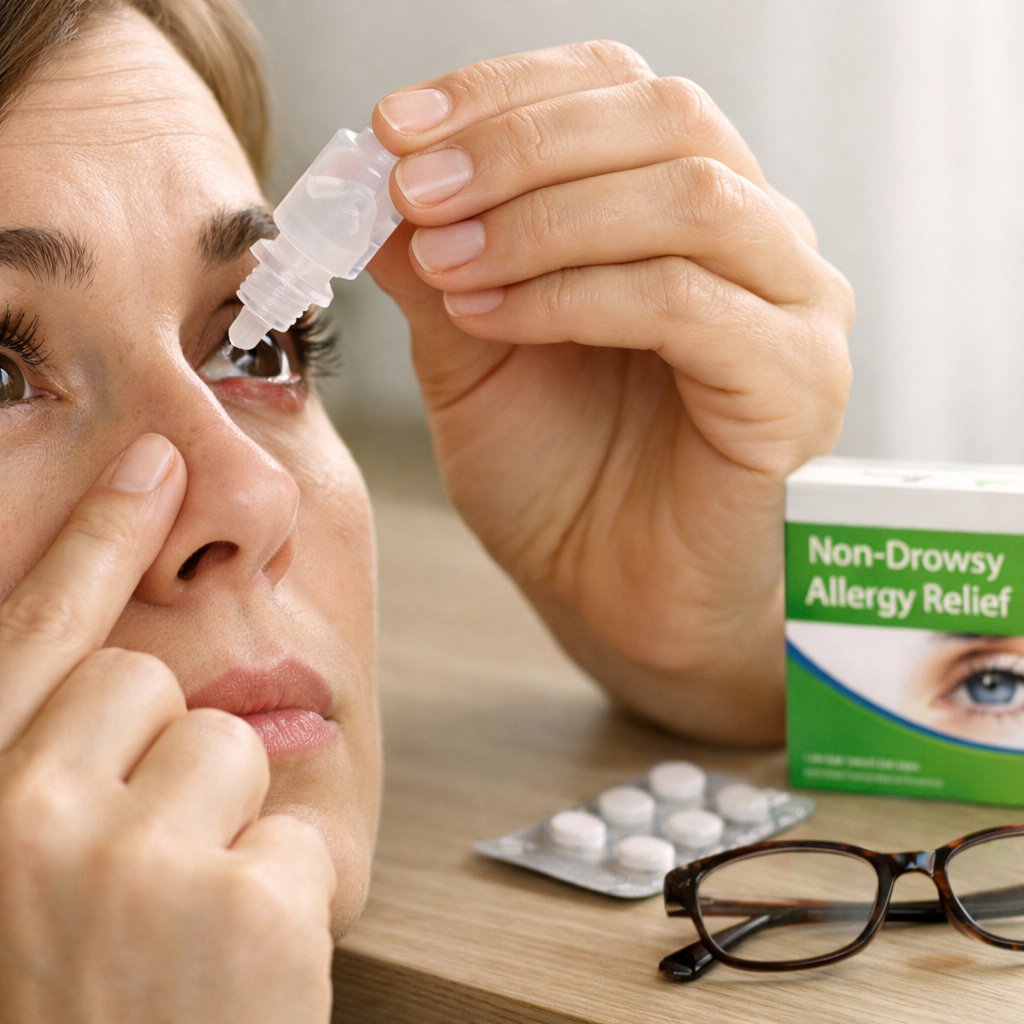
Bottom line: for eye‑predominant allergy symptoms, use antihistamine or dual‑action eye drops first. They work at the eye surface, kick in within about 3–15 minutes, and have lower systemic absorption—so minimal sedation risk—compared with pills, according to a peer‑reviewed allergic conjunctivitis review (reduced systemic exposure noted alongside typical dosing and onset) a comprehensive allergic conjunctivitis review. This mirrors Too Allergic’s eye‑first, non‑drowsy approach.
Effective drops include azelastine, olopatadine, ketotifen, alcaftadine, and bepotastine. If you need a pill because you also have nasal or skin symptoms, choose non‑drowsy second‑/third‑generation options like loratadine, fexofenadine, or cetirizine/levocetirizine; note that some people still feel mild sleepiness with cetirizine.
Safety cue: if you develop eye pain, light sensitivity, vision changes, or thick discharge, or if symptoms persist beyond 1–2 weeks, seek care.
Why eyes get itchy and dry with allergies
Allergic conjunctivitis happens when allergens (often pollen, dander, or dust mites) bind to IgE on mast cells in the conjunctiva, releasing histamine and other mediators that trigger itching, redness, and tearing. Dry eye can coexist—about 16 million Americans have it—and some medicines can worsen it. Systemic antihistamines may reduce tear production, increasing dryness risk, which is why topical routes are appealing when eyes are the main issue Healthline’s overview of antihistamines and dry eye.
Antihistamines come as oral tablets/liquids, nasal sprays, and eye drops. Matching the route to your dominant symptoms helps you get relief without unnecessary side effects.
Non-drowsy options that target the eyes first
Topical therapy is the go-to for eye‑predominant symptoms: it works faster, delivers lower systemic exposure, and is typically better tolerated in people who struggle with dryness a comprehensive allergic conjunctivitis review. For comfort and barrier support, pair medicated drops with lubricating tears. That eye‑first sequence aligns with Too Allergic’s minimize‑sedation approach.
A quick comparison of commonly used allergy eye drops:
| Agent | Class | Usual dosing frequency | Onset window | Preservative notes |
|---|---|---|---|---|
| Olopatadine | Dual-action | 1–2 times daily | 3–15 minutes | Varies by brand; some low‑BAK options |
| Ketotifen | Dual-action | 2 times daily | 3–15 minutes | Multi‑dose bottles typically contain preservatives |
| Azelastine | Antihistamine | 2 times daily | ~10 minutes | Preserved multi‑dose |
| Alcaftadine | Dual-action | 1 time daily | ~5–15 minutes | Preserved multi‑dose |
| Bepotastine | Antihistamine | 2 times daily | ~10 minutes | Preserved multi‑dose |
Dosing reflects common OTC/Rx formulations; follow your product label.
Antihistamine and dual-action eye drops
Dual-action ophthalmic agents combine an antihistamine that blocks H1 receptors to dial down itch with mast‑cell stabilization that helps prevent further mediator release. The result is quick relief plus steadier control, delivered locally to the eye with minimal systemic effects.
Azelastine, olopatadine, ketotifen, alcaftadine, and bepotastine are well‑studied choices for ocular itching and redness. Expect onset in about 3–15 minutes and remember some products need repeat dosing up to four times daily depending on formulation; plan your routine so you don’t skip doses a comprehensive allergic conjunctivitis review. These drops target histamine‑driven itch and redness; if your symptoms extend beyond histamine pathways (e.g., heavy mucous or late‑phase inflammation), consider adding supportive strategies below.
Lubricating and preservative-free tears
If you’re dry‑eye‑prone, reach for preservative‑free artificial tears when you’ll be dosing frequently to minimize irritation and support the tear film Healthline’s overview of antihistamines and dry eye.
A simple sequence:
- Instill lubricating drops first.
- Wait 5–10 minutes.
- Apply your medicated allergy drop.
- Re‑lubricate between doses as needed.
Situational picks:
- Single‑use vials for school, work, or travel.
- Night gels/ointments for overnight protection (may blur vision).
What to avoid with eye drops
- Don’t overuse “redness‑relief” vasoconstrictors; they don’t treat allergy pathways and can cause rebound redness.
- Separate different eye drops by at least 5–10 minutes to avoid diluting or washing out actives.
- With contact lenses, remove lenses before instillation unless the label says lens‑compatible, and favor preservative‑free or low‑preservative formulas if you’re sensitive.
When pills help and how to choose non-drowsy
Second‑ and third‑generation antihistamines (loratadine, cetirizine, fexofenadine, levocetirizine) are designed to be “non‑drowsy,” with less brain penetration and fewer anticholinergic effects than first‑generation drugs BuzzRx’s non‑drowsy antihistamine guide. Choose them when you need whole‑body relief (sneezing, hives, nasal symptoms), but monitor your own response—mild sleepiness can still happen, particularly with cetirizine. When pills are necessary, Too Allergic prioritizes lower‑sedation agents and leans on topical nasal sprays to limit systemic load.
For congestion, you can pair an antihistamine with a decongestant cautiously, or use a topical nasal spray to avoid additional systemic sedative load.
Second- and third-generation choices
- Fexofenadine: fast onset, lowest likelihood of drowsiness; a solid pick for performance‑critical days a 2026 non‑drowsy allergy medicine roundup.
- Loratadine: once daily, minimal sedation for most users.
- Cetirizine/levocetirizine: potent symptom control; some users report mild somnolence.
Newer antihistamines generally cause fewer anticholinergic effects (constipation, dry mouth, urinary retention) than first‑generation agents. Quick chooser: if you’re very sedation‑sensitive, start with fexofenadine or loratadine.
Agents to avoid if you’re sedation sensitive
First‑generation antihistamines like diphenhydramine, chlorpheniramine, and doxylamine frequently cause drowsiness and anticholinergic side effects such as blurred vision and urinary retention. In older adults, diphenhydramine can impair cognition and its sedative effects may linger up to 18 hours, increasing fall risk CNN reporting on diphenhydramine risks. Geriatric experts generally advise avoiding first‑generation antihistamines because of anticholinergic harms.
Watchouts for dryness and performance
- Oral antihistamines can lower tear production and worsen dry eye; counter with preservative‑free lubricants and favor topical eye therapy for eye‑dominant symptoms Healthline’s overview of antihistamines and dry eye.
- Expected second‑gen side effects include headache, cough, sore throat, abdominal discomfort, and occasional drowsiness at higher doses Cleveland Clinic’s antihistamines overview.
- Rarely, people report rebound‑type itching after stopping long‑term antihistamines; if this occurs, discuss a taper or alternatives with your clinician a clinician video describing rebound itching.
Practical relief plan you can start at home
This simple plan reflects Too Allergic’s home‑first, non‑drowsy routine.
Morning
- Preservative‑free artificial tears.
- If itchy, use a topical antihistamine/dual‑action eye drop.
- Wear sunglasses or wraparound eyewear outdoors.
- Add a non‑drowsy oral antihistamine only if you have multi‑system symptoms.
Midday
- Take screen breaks (20‑20‑20 rule) and blink exercises.
- Re‑lubricate as needed.
Evening
- Cool compress for 5–10 minutes.
- Gentle eyelid hygiene.
- Run a bedroom humidifier.
Quick checklist
- Hydration on board; limit alcohol (can exacerbate dryness).
- Allergen avoidance: track pollen counts; shower and change after exposure.
- If dryness worsens on oral antihistamines, switch back to topical ocular therapy for eye‑only days.
Screen time, airflow, and eyewear
- Follow the 20‑20‑20 rule: every 20 minutes, look 20 feet away for 20 seconds.
- Blink often and reduce direct airflow from fans/vents.
- Wear wraparound sunglasses outdoors to cut wind and pollen.
- Use a desktop humidifier during heating/AC seasons.
Allergen control indoors and outdoors
- Indoors: change HVAC filters regularly, use high‑MERV filters, encase bedding, and launder pillowcases/covers in hot water weekly.
- Outdoors: check pollen counts, time outings after rain, shower and change clothes after exposure, and keep windows closed on high‑count days.
- With pets: wash hands after contact, avoid touching eyes, and consider HEPA purifiers in shared spaces.
Hydration, sleep, and routine tracking
- Stay well‑hydrated and prioritize sleep to stabilize the tear film.
- Keep a simple tracker: date, exposures, drop use, pill use, itch/dryness ratings. Review weekly to spot patterns and refine your non‑drowsy plan.
- Photograph product labels and doses to prevent duplication and share with clinicians.
Safety notes, kids and older adults, and when to get care
- Avoid first‑generation antihistamines if you’re sedation‑sensitive; in older adults, anticholinergic effects and prolonged sedation are concerning.
- Use age‑appropriate dosing for newer agents; first‑generation drugs raise risks of confusion and urinary retention in kids and older adults.
- Seek care for persistent/worsening eye pain, light sensitivity, vision changes, thick discharge, or if symptoms last beyond 1–2 weeks. Discuss long‑term antihistamine plans—especially if you’ve noticed rebound itching after stopping.
- If in‑person visits are hard to schedule, telehealth can help with quick evaluation and prescriptions for allergy relief a 2026 non‑drowsy allergy medicine roundup.
How Too Allergic can help
Too Allergic curates non‑drowsy treatment roundups, nickel‑safe living tips, and home‑first strategies for metal/nickel, food, and pet allergies—always informational, never medical advice. Explore our comparisons of non‑drowsy antihistamines for busy days and eye comfort, like our guides to 8 top non‑drowsy antihistamines that keep you awake and 9 top‑rated oral antihistamines that also soothe itchy eyes. Parents can also browse pediatric pick‑lists that fit family routines. We keep guides up to date and in plain language so you can act with confidence. Tell us what worked and what didn’t—individual responses vary, and partnering with your clinician ensures a safe long‑term plan.
Frequently asked questions
Are there non-drowsy antihistamines that work well for itchy, dry eyes
Yes—start with topical antihistamine or dual‑action eye drops like olopatadine, ketotifen, or azelastine for fast, low‑sedation relief. For broader symptoms, consider fexofenadine or loratadine; Too Allergic’s quick‑pick guides can help you compare options.
Why do “non-drowsy” antihistamines still make me sleepy sometimes
Individual responses vary; even newer antihistamines can cause mild drowsiness, and dose, timing, and other meds can add to it. Try a different agent or use topical eye drops for eye‑only symptoms; Too Allergic’s checklists can help you adjust timing.
Which is least sedating among loratadine, cetirizine, and fexofenadine
Fexofenadine is generally least sedating and good when alertness matters, and Too Allergic typically points sedation‑sensitive readers to it first. Loratadine is also low‑sedating, while cetirizine can make some users mildly sleepy.
Do oral antihistamines worsen dry eye and how can I offset it
They can reduce tear production and worsen dryness. Favor topical allergy eye drops for eye‑only days and use preservative‑free artificial tears regularly; Too Allergic’s eye‑first plans show how to pair them.
How long should I try OTC eye drops before seeing a clinician
If you’re not improving after 1–2 weeks of correct use, or you develop pain, light sensitivity, or vision changes, see a clinician; go sooner for thick discharge or rapid worsening. Too Allergic is informational only and can help you prepare questions.