Same-Day Answers: Rapid Home Allergy Tests You Can Trust
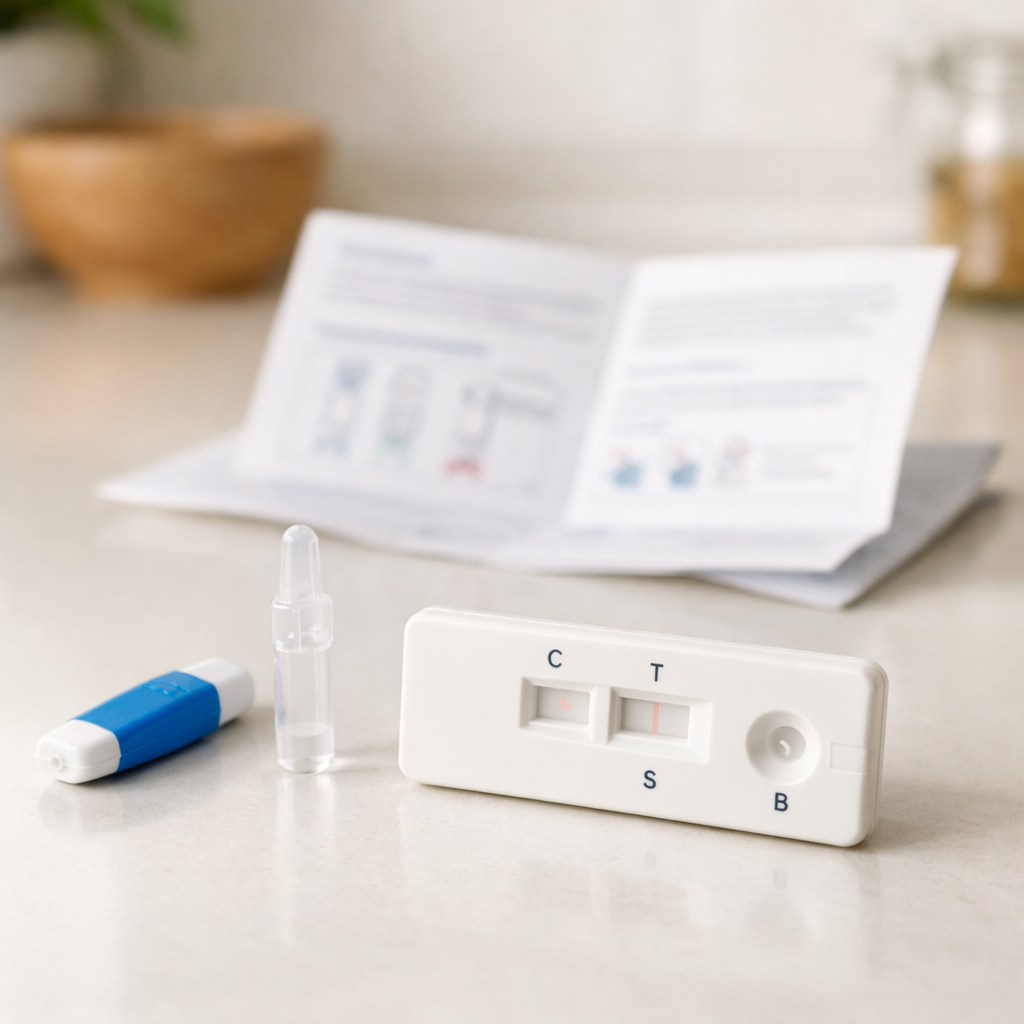
When you need answers fast, here’s the reality: the quickest trustworthy allergy results come from an in‑clinic skin prick test, with readouts in about 15–30 minutes during the same visit. At home, the fastest credible option is a mail‑in specific IgE blood test processed by an accredited lab—usually returning results within several days, not hours. “Same‑day at home” is rare because your sample still has to travel to a lab. Most consumer kits—despite “rapid” labels—deliver results in a few days to 1–2 weeks due to shipping and processing timelines, and quality varies widely across brands and methods, particularly those that do not measure IgE. Too Allergic tracks turnaround times and lab quality so you can compare options without the noise.
The fastest trustworthy allergy results
If you need speed you can trust, prioritize clinical context and test validity over marketing claims. Too Allergic’s guides do the same—evidence first, marketing second.
- Fastest overall: professional skin prick testing provides same‑visit results in about 15–30 minutes, with interpretation from a clinician. Expert overviews emphasize it remains a first‑line tool for many allergies, with immediate readouts that guide next steps (see expert insights on at‑home accuracy from Premium Allergy).
- Fastest at home you can trust: specific IgE blood testing from CLIA‑certified labs, often returning results within several days depending on shipping and lab capacity. Many “at‑home” kits realistically take days to 1–2 weeks for results because they’re still lab‑based assays mailed in from home, as consumer explainers note on timelines and trade‑offs (see this overview of home allergy kit timing on Botox Barb).
- What “rapid” means here: results that are interpretable and clinically useful in under 72 hours. For skin tests, that’s often a single appointment; for lab‑based specific IgE, it’s usually a few days door‑to‑door. Too Allergic uses this same threshold when comparing at‑home options.
What counts as rapid at home
Most mail‑in allergy kits deliver preliminary results in about 1–2 weeks. Faster services can still take several days because your sample must be collected, packaged, shipped, accessioned, analyzed, and reported. Direct‑to‑consumer testing has grown on convenience, privacy, and cost transparency—but speed must be weighed against validity, especially for food testing, where many products over‑promise and under‑deliver, as consumer reporting has warned about “food intolerance” panels and their limits (see The Guardian’s review of at‑home food intolerance blood tests).
Result speed by method (typical ranges):
- Skin prick test: 15–30 minutes, in clinic
- Lab‑based specific IgE blood test (venipuncture or dried blood spot): a few days
- At‑home mail‑in kits (IgE blood): 3–14 days
- Patch testing (contact dermatitis): 48–72 hours in clinic
| Method | Typical result speed | Where it happens | Notes |
|---|---|---|---|
| Skin prick test | 15–30 minutes | Clinic | Very fast; clinician‑interpreted during visit |
| Specific IgE blood test (lab) | 2–5 days | Lab (sample drawn in clinic or at home and mailed) | Reliable if run by CLIA‑certified labs |
| At‑home IgE kit (mail‑in) | 3–14 days | Home collection + lab | “Rapid” labels still depend on shipping/processing |
| Patch testing (contact) | 48–72 hours | Clinic | For metal/nickel/contact allergens, not IgE |
How rapid home testing works
What to expect end‑to‑end:
- Order a kit and register it online.
- Collect your sample—usually a finger‑prick dried blood spot.
- Mail the sample to the lab using the included packaging.
- Get results through a secure portal or app.
- Optional: schedule a telehealth review to interpret findings and plan next steps.
Important: some kits still use unvalidated inputs (hair, saliva, “pulse tests,” or IgG‑only panels) that are not appropriate for diagnosing IgE‑mediated allergy. Leading clinical sources caution that such methods tend to confuse exposure with allergy and can mislead consumers (see Cleveland Clinic’s guidance on why many home allergy tests won’t help).
IgE vs IgG, in plain language: IgE antibodies drive immediate‑type allergic reactions that can cause hives, wheeze, vomiting, or anaphylaxis minutes to hours after exposure. IgG antibodies reflect exposure or tolerance and are not diagnostic for food allergy. Treating IgG as “allergy” risks false positives and unnecessary diet restrictions (see the CU Anschutz perspective on home food allergy kits).
Privacy and convenience are real upsides of at‑home kits, but timing still hinges on shipping and lab processing. Plan accordingly. Too Allergic’s step‑by‑step checklists help you avoid common mistakes that delay processing.
Choose tests that measure specific IgE
The rule of thumb: choose specific IgE blood tests run by accredited (CLIA‑certified) labs and avoid hair, pulse, saliva‑only, or IgG‑only kits for diagnosing IgE‑mediated allergy. Medical centers emphasize that clinical relevance depends on measuring the right antibody and maintaining lab quality controls (see CU Anschutz on test selection and lab standards).
Quick glossary:
- Total IgE: an overall IgE level. It cannot identify which allergen is responsible.
- Specific IgE: measures your antibodies to a particular allergen (e.g., peanut, cat dander, birch pollen).
Not all at‑home IgE tests are CLIA‑certified—check the fine print. Certification signals validated methods, calibrated instruments, and audit oversight that directly affect reliability. In our comparisons, Too Allergic flags CLIA status and IgE methodology so you know what you’re getting.
When a home kit helps and when it does not
Helpful for:
- Triaging likely aeroallergens (dust mites, pollens, pet dander) or a short list of common foods before a limited specialist appointment.
- People with constrained access to allergists who want to prioritize what to confirm in clinic.
- Focused follow‑up discussions, not final diagnoses.
Not helpful—or risky—for:
- Any history of severe reactions, breathing issues, throat swelling, or rapid‑onset hives after foods or stings.
- Complex, multi‑trigger patterns where cross‑reactivity is likely.
- Children with eczema, where baseline IgE can be elevated and low‑level positives may not equal clinical allergy.
Across expert guidance, at‑home results should not replace an allergist’s evaluation because variability and interpretation pitfalls are common (see Lee Health’s review of at‑home allergy test reliability).
Special considerations for food allergies
Fast is not the same as safe with food. True IgE‑mediated food allergies can trigger immediate and severe reactions; diagnosis typically requires targeted skin testing and, when appropriate, a supervised oral food challenge to confirm tolerance or allergy. At‑home specific IgE can be a useful triage step, but it is rarely the final word.
Avoid IgG‑only “food sensitivity” panels that often label normal exposure as “positive” and can lead to unnecessary, restrictive diets; consumer health reporting and professional bodies do not endorse them for diagnosing food allergy (see The Guardian’s investigation into at‑home intolerance tests).
Note: blood specific IgE is generally less sensitive than skin testing for many food allergens—use results to inform, not dictate, your next steps.
Metal and nickel allergy at home
Contact dermatitis from metals like nickel is not IgE‑mediated, so blood IgE tests won’t diagnose it. The standard is patch testing in clinic with readings at 48–72 hours. At home, the safer, practical move is to use dimethylglyoxime (DMG) spot tests on jewelry, clothing hardware, and devices to detect nickel release, then avoid positives and follow up with a dermatologist if rashes persist. For step‑by‑step guidance, see our nickel allergy test at home primer on Too Allergic.
Pet and environmental triggers
For aeroallergens—pollen, dust mites, molds, pet dander—both specific IgE blood testing and skin prick tests can help identify likely culprits. Skin prick testing offers same‑visit speed; at‑home IgE can shortlist suspects when access is limited. After you identify triggers, optimize your environment: HEPA air filtration, dust‑mite‑proof mattress and pillow encasings, and structured pet‑zone management make a measurable difference (see our home allergy control guide for what works).
Aeroallergens, defined: These are airborne particles such as pollen, dust mites, mold spores, and pet dander that can trigger nasal, eye, or skin symptoms when inhaled or contacting mucosa. Identification relies on history (seasonality, exposure patterns) plus testing (skin prick or lab‑based specific IgE) to target avoidance and therapy.
Interpreting results without overreacting
Use this 5‑step checklist:
- Confirm the assay: Is it specific IgE from a CLIA‑certified lab?
- Map positives to your symptom history, timing, and exposure.
- Be cautious with children and eczema—mild positives are common and may not equal clinical allergy.
- Avoid broad eliminations based on IgG results or a single low‑positive IgE.
- Book clinician review for context and next tests.
Accuracy among at‑home offerings varies widely, and false positives can drive unnecessary restrictions and anxiety, as health data leaders have emphasized (see this discussion on reliability of home allergy tests). Too Allergic provides plain‑language guides to map results to your history and plan next steps.
Next steps after a rapid result
Turn quick results into safer actions:
- Positive specific IgE plus consistent symptoms: discuss confirmatory skin prick testing and, for foods, whether a supervised oral food challenge is appropriate.
- Negative or low‑level findings but strong history: see an allergist—home kits can miss clinical patterns or cross‑reactivity.
- Severe reaction history: skip home testing and seek urgent specialist care.
If local access is limited, use telehealth. Too Allergic’s telehealth checklist helps you vet services for post‑result care (see Innerbody’s review of food sensitivity services and support features).
Pill or nasal spray for nasal symptoms
For persistent nasal congestion and drip, intranasal corticosteroids are the preferred first‑line therapy because they calm local airway inflammation more effectively than oral antihistamines. Antihistamines help itch, sneeze, and brief exposures. Rapid identification of aeroallergens lets you pair a daily nasal steroid with targeted avoidance to reduce flares and reliance on decongestants. For practical tactics, see our home allergy control guide.
Accessibility and quick navigation tips
Allergy‑Access box:
- Fastest trusted result: skin prick testing (15–30 minutes, in clinic). Fastest at home: specific IgE blood test from a CLIA‑certified lab (results in several days).
- Quick links:
- Rapid picks and timing: browse the Too Allergic rapid‑results roundup.
- Budget options: see Too Allergic’s top‑rated affordable home allergy tests under $150.
- For kids: read our guide to at‑home allergy tests for children.
- Telehealth: Too Allergic’s checklist of essential features for allergy care.
- Nickel: how to test for nickel allergy at home.
Skin test prep checklist:
- Ask whether to pause antihistamines several days before testing (per clinician advice).
- Bring a list of medications and prior reactions.
- Note recent flares, infections, or steroid use that may affect results.
Comparison snapshot
| Test type | Speed | Trust level (for IgE allergy) | Best use‑case |
|---|---|---|---|
| Skin prick (clinic) | 15–30 minutes | High with clinician oversight | Rapid confirmation and treatment planning |
| Specific IgE blood (lab/at home mail‑in) | Several days | High if CLIA‑certified | Triage when access is limited; shortlist suspects |
| Patch test (clinic) | 48–72 hours | High for contact dermatitis | Metals/fragrances/preservatives, not food or pollen |
| IgG “sensitivity” panels | Days to weeks | Low for diagnosing allergy | Generally avoid for food allergy decisions |
Key takeaways:
- Same‑day at home is uncommon; the fastest trusted path is skin prick testing.
- If testing at home, choose CLIA‑certified specific IgE and plan clinician follow‑up.
- For persistent nasal symptoms, favor intranasal steroids over pills—and control your environment.
Frequently asked questions
Can I get same day allergy results at home?
No. Mail‑in home kits require lab processing and typically take several days to 1–2 weeks; for vetted timelines, see Too Allergic’s rapid‑results roundup.
Which home test returns results the fastest?
Specific IgE blood kits processed by accredited labs are the fastest trustworthy home option, often returning results within several days; Too Allergic compares CLIA‑certified kits with realistic turnaround times.
Are IgG food tests accurate for diagnosing food allergies?
No. IgG reflects exposure or tolerance, not an allergic reaction; Too Allergic explains how to use specific IgE results safely with your clinician.
When should I skip home testing and see an allergist urgently?
If you’ve had severe reactions, breathing problems, throat swelling, or rapid‑onset hives after foods or stings, seek urgent care and specialist evaluation; Too Allergic provides a pre‑visit checklist to prep for that appointment.
How do I prepare for fast, reliable allergy testing?
For clinic skin testing, ask if you should stop antihistamines for several days; for at‑home specific IgE, follow collection instructions closely and plan clinician follow‑up. Too Allergic’s step‑by‑step checklists help you avoid delays.