Daily Allergy Relief: Safest Long-Term Medicines Without Drowsy Side Effects
Finding the safest allergy medicine for regular use shouldn’t mean trading clear breathing for brain fog. This guide distills what works for daily control—without drowsy side effects—and how to match medicines to your symptoms and budget. In short: second-generation antihistamines (loratadine, fexofenadine, cetirizine) and, when congestion leads, intranasal corticosteroid sprays give most adults the best balance of safety, alertness, and affordability. With Too Allergic’s caregiver lens, we pair medicines with simple home trigger reduction so you can stay consistent, spend smart, and avoid pitfalls like sedating pills or rebound from decongestant sprays.
Quick answer to what is safest for daily use
For most adults, the safest allergy medicine for regular use is a second-generation, non-drowsy antihistamine (loratadine, fexofenadine, or cetirizine). If congestion is your main complaint, start with an intranasal corticosteroid spray.
- Fexofenadine is fast-acting and among the least likely to cause drowsiness, making it a top pick when daytime alertness is essential (see non-drowsy antihistamines explained by pharmacists and clinicians). non-drowsy antihistamines explained [9]
- Intranasal corticosteroids such as fluticasone or triamcinolone are over-the-counter and often preferred when congestion predominates. Mayo Clinic guidance on OTC allergy options [5]
One big caveat: avoid first-generation antihistamines (e.g., diphenhydramine) for daily use due to sedation and anticholinergic side effects. AARP’s safety overview of allergy medicines [3]
Non-drowsy antihistamines for everyday relief
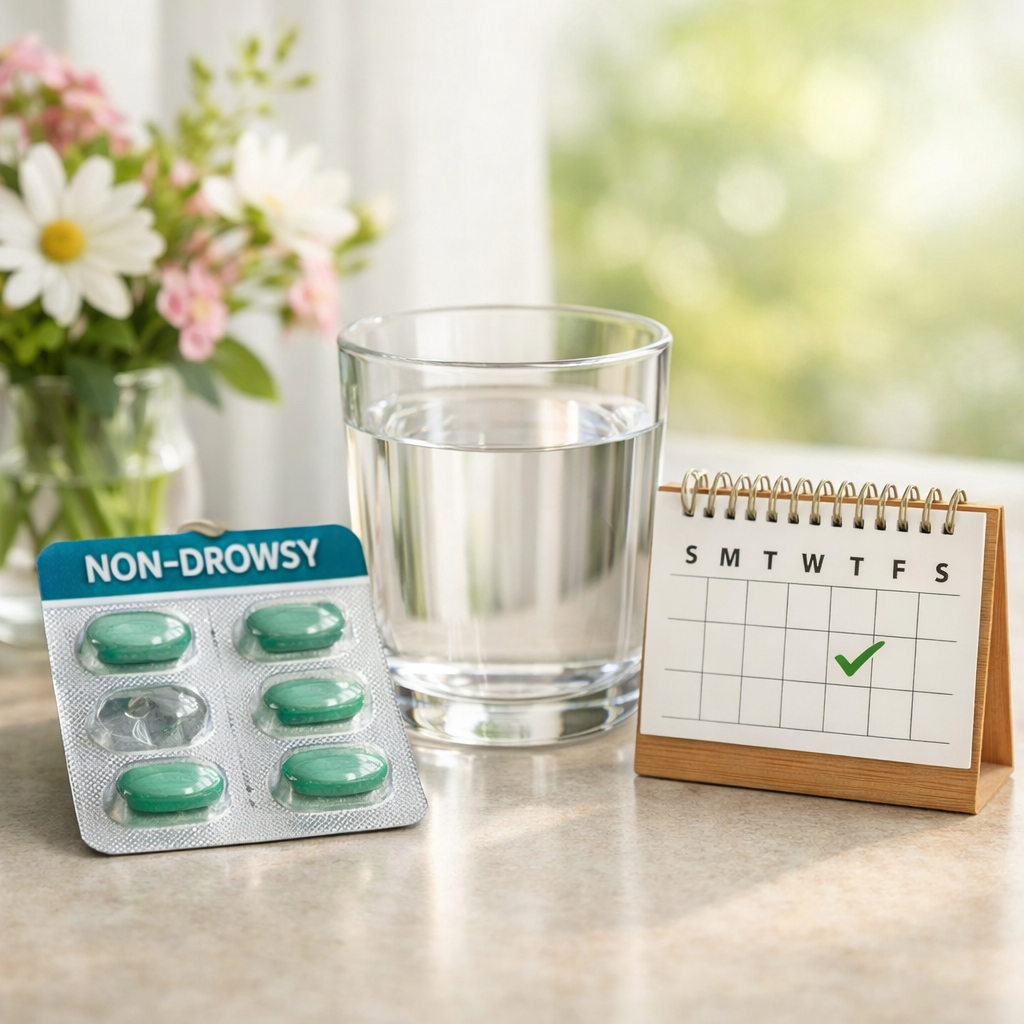
Second-generation antihistamines are a newer class—loratadine, fexofenadine, cetirizine—that block histamine with minimal penetration into the brain, so they cause little to no daytime drowsiness compared with older drugs. See an accessible overview of non-drowsy antihistamines for how they work and who benefits. overview of non-drowsy antihistamines [1]
How to choose:
- Fexofenadine: least likely to cause drowsiness; good when driving, studying, or operating equipment are priorities. practical comparisons of loratadine, fexofenadine, cetirizine [2]
- Loratadine: long-lasting with minimal sedation; steady everyday option.
- Cetirizine: often the most potent for itch/sneeze, but a minority report mild sleepiness.
Safety depth: Compared with first-generation drugs, second-generation antihistamines have wide safety margins; even large accidental overdoses rarely cause severe events in healthy individuals. toxicology data on second‑generation antihistamines [8]
Mini comparison table
| Drug (OTC) | Drowsiness risk | Best use-case | Common minor side effects |
|---|---|---|---|
| Fexofenadine | Lowest | Must-stay-alert days; driving, exams | Headache, mild stomach upset |
| Loratadine | Very low | Daily steady control with minimal sedation | Dry mouth, headache |
| Cetirizine | Low–moderate (in some) | Strong itch/sneeze control | Mild sleepiness, dry mouth |
Note: Any antihistamine can occasionally cause dry mouth, headache, or stomach upset. If side effects emerge or control slips, reassess your plan rather than piling on more meds. why overusing symptom relievers can backfire [6]
When to choose an intranasal corticosteroid
Intranasal corticosteroids are anti-inflammatory nasal sprays (e.g., fluticasone, triamcinolone) that reduce swelling inside the nose with very low systemic absorption. They are highly effective for congestion-dominant allergic rhinitis and are sold over-the-counter. Mayo Clinic guidance on OTC allergy options [5]
- Start here if stuffiness, pressure, or year-round rhinitis leads your symptoms.
- If a spray alone isn’t enough, pair it with an oral second-generation antihistamine.
Use them correctly:
- Aim slightly outward, not at the septum.
- Use daily; expect noticeable improvement over several days and maximal benefit in 1–2 weeks.
- Rinse with saline first if you’re very congested.
What to avoid for long-term use
- First-generation antihistamines (e.g., diphenhydramine, chlorpheniramine): cause sedation, anticholinergic effects (dry mouth, constipation, confusion), and have been linked in observational studies to cognitive risks over time; they’re outdated for daily control. AARP’s safety overview of allergy medicines [3]; reporting on diphenhydramine risks [7]
- Decongestants: oral pseudoephedrine/phenylephrine may raise blood pressure and heart rate; topical oxymetazoline or phenylephrine sprays can cause rebound congestion if used longer than 3 days. Avoid daily “-D” combo pills. allergists’ cautions on decongestant overuse [4]
- Watch for “tolerance”: if frequent, long-term antihistamine use seems less effective, step back and reassess triggers and spray technique rather than escalating doses. why overusing symptom relievers can backfire [6]
Step-by-step plan to build your daily regimen
- Identify your dominant symptom: itch/sneeze/eyes vs nasal congestion/pressure.
- Start with a second-generation antihistamine; choose fexofenadine if staying fully alert is critical. practical comparisons of loratadine, fexofenadine, cetirizine [2]
- If congestion persists, add or switch to an intranasal corticosteroid. Mayo Clinic guidance on OTC allergy options [5]
- Skip first-generation antihistamines and daily decongestants; avoid “-D” combos.
- Reassess after 2–4 weeks. If daily meds are still required or symptoms persist, talk to an allergist; immunotherapy can reduce long-term medication needs.
Quick mapping table
| Symptom pattern | First-line | Add-on (if needed) |
|---|---|---|
| Itch, sneeze, runny nose | Fexofenadine, loratadine, or cetirizine | Intranasal corticosteroid; lubricating eye drops |
| Congestion dominant | Intranasal corticosteroid | Add a non-drowsy antihistamine |
| Seasonal flares | Start chosen med 1–2 weeks before season | Saline rinse; consider allergist for immunotherapy |
| Night symptoms | Non-drowsy antihistamine earlier in the evening | Intranasal steroid with correct technique |
Special situations and cautions
- Older adults: Prefer nonsedating options (e.g., fexofenadine 180 mg once daily is commonly used); avoid diphenhydramine due to sedation, confusion, and fall risk. AARP’s safety overview of allergy medicines [3]
- Heart disease, hypertension, anxiety, glaucoma, or prostate issues: avoid decongestants; they can raise BP, trigger palpitations, or worsen urinary retention. allergists’ cautions on decongestant overuse [4]
- Driving/operating machinery: fexofenadine is unlikely to impair performance; still test your first dose at home to confirm no drowsiness. non-drowsy antihistamines explained [9]
- Always follow label dosing; consult a clinician for pregnancy, complex medication lists, or persistent symptoms. Mayo Clinic guidance on OTC allergy options [5]
Home strategies to reduce triggers before more meds
- Wash bedding weekly in hot water; encase pillows and mattress for dust mites.
- Upgrade air filtration: use MERV-13 furnace filters or a HEPA purifier in the bedroom.
- Keep windows closed on high-pollen days; shower and change after outdoor time.
- Go “nose-first”: saline rinse, then your intranasal steroid for better reach.
- Declutter, damp-dust, and vacuum with a sealed HEPA.
- See our nose-first playbook for practical, non-drowsy tactics. Too Allergic non-drowsy treatments guide
For more home upgrades (HEPA/MERV and beyond), browse the wellness hub. Too Allergic wellness
Nickel and food allergy nuances that affect daily choices
Contact dermatitis from nickel isn’t driven by the same nasal histamine cascades. Antihistamines may reduce itch, but avoidance—low-nickel diet and stainless alternatives—is primary.
A high-nickel foods list is “a focused set of grains, legumes, nuts, chocolate, and leafy greens that naturally concentrate nickel more than other foods.” For persistent GI or oral-allergy–type reactions, antihistamines may not fully help; consider elimination trials and specialist guidance.
Pet and environmental allergy tips that pair with meds
- Pet dander: keep pets out of the bedroom, add a bedroom HEPA, bathe weekly if appropriate, and vacuum with a sealed HEPA. Pair with daily fexofenadine or loratadine during flare periods.
- Grass/weed pollen: pre-dose a non-drowsy antihistamine before outdoor exposure; use an intranasal steroid throughout the season; shower and change clothes afterward.
- Wood dust or work exposures: prioritize respirators and source control; use meds as adjuncts, not substitutes.
When to ask about immunotherapy
Allergen immunotherapy exposes you to controlled doses of your allergens (via shots or FDA-approved sublingual tablets for select allergens) to retrain the immune system over time, reducing symptoms and medication needs. Shots and sublingual tablets exist for pollens like grass and ragweed and can deliver durable relief when daily meds aren’t enough. Mayo Clinic guidance on OTC allergy options [5]
Budget-friendly ways to stay consistent
- Buy generics (loratadine, fexofenadine, cetirizine) and larger count boxes when appropriate.
- Choose single-ingredient, non-“D” products to avoid side effects and extra cost. AARP’s safety overview of allergy medicines [3]
- Use saline rinses and targeted HEPA/MERV upgrades to reduce how much medicine you need.
- See our price-savvy picks and tactics. Too Allergic’s budget-friendly non-drowsy options
Too Allergic’s caregiver lens and medical disclaimer
Too Allergic is built by caregivers like Agnes, whose family navigates nickel contact allergy, dust mites, grass pollen, and wood-dust sensitivities. Our guides combine lived experience with evidence to help you act confidently at home. This article is educational and not medical care; always consult licensed clinicians for diagnosis, dosing, and escalation. Keep a simple journal of symptoms, triggers, and responses to share at visits.
Frequently asked questions
Is it safe to take a non-drowsy antihistamine every day long term?
Yes, second-generation antihistamines are designed for daily use when taken as directed. Too Allergic’s guides can help you pick and time doses if symptoms persist.
Which daily allergy medicine is least sedating if I must stay alert?
Fexofenadine is typically the least sedating; loratadine is also very low-sedating, while some people find cetirizine a bit more likely to cause mild drowsiness. See Too Allergic’s quick picks for context.
Should I use a nasal steroid spray every day or only when I’m stuffy?
Use it daily during seasons or persistent rhinitis, especially if congestion leads; consistency controls inflammation better than on‑off dosing. Too Allergic’s nose-first routine helps you apply it correctly.
Are “D” decongestant combos safe for daily use?
No. “-D” products add decongestants that can raise blood pressure and cause jitteriness; they’re for short-term use only. Too Allergic recommends single-ingredient meds for daily control.
What if my allergy medicine stops working or I still have symptoms?
Recheck triggers and technique, switch to or add a nasal steroid, and avoid sedating or combo pills; if symptoms persist after a few weeks, ask about allergy testing or immunotherapy. Our checklists make that reset simple.
Looking for product-by-product picks? Explore our expert-ranked daily options. doctor-recommended daily allergy medications