Best Over-the-Counter Antihistamines That Replace Common Prescription Allergy Drugs
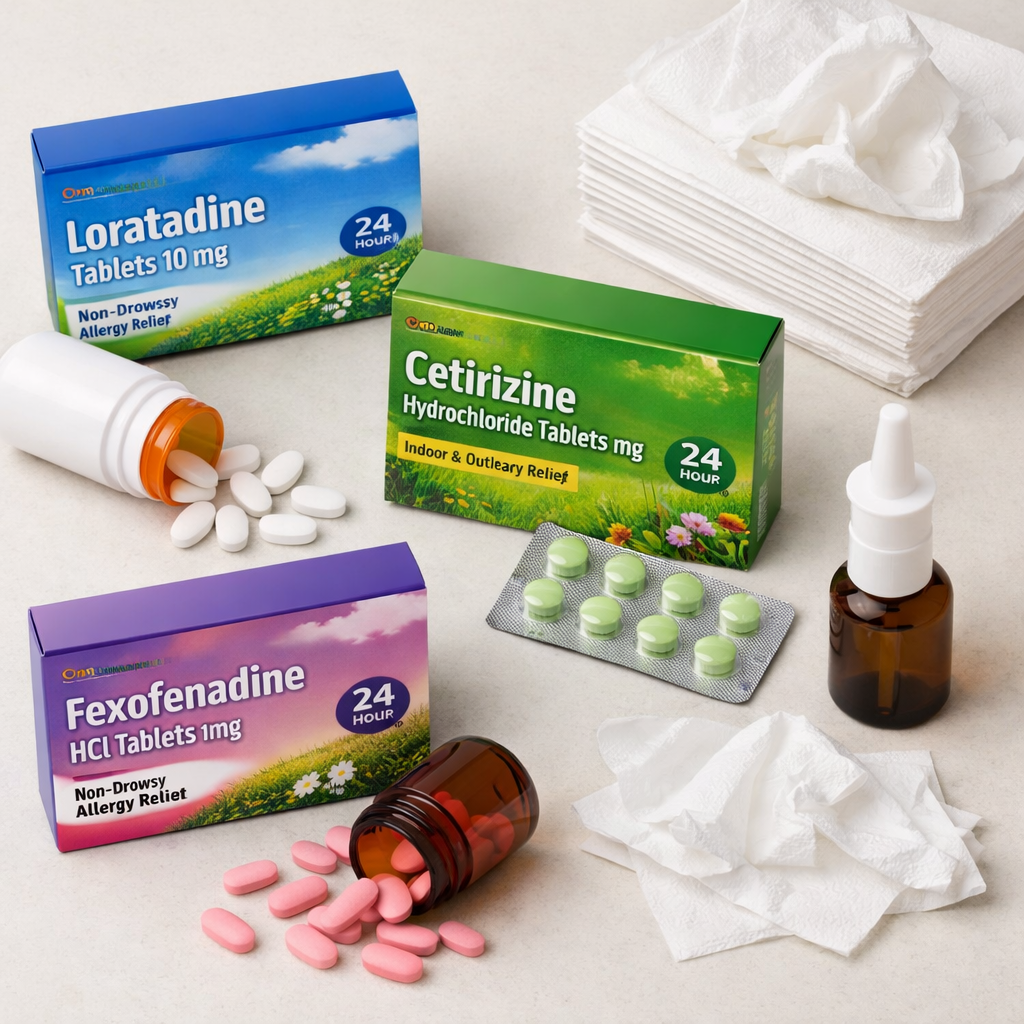
Modern, once-daily OTC antihistamines often stand in for many prescription H1 blockers for everyday allergies and hives. The most reliable non-prescription antihistamines are cetirizine (Zyrtec), loratadine (Claritin), fexofenadine (Allegra), and levocetirizine (Xyzal). These medicines block histamine H1 receptors to reduce sneezing, runny nose, itchy eyes, and hives, though they’re less effective for heavy nasal congestion—where intranasal steroid sprays or decongestants may help more, especially during peak seasons (start sprays 2–3 weeks early) according to the Cleveland Clinic’s OTC allergy guide and the Ochsner overview of OTC allergy meds. For short-term or nighttime symptoms, older first-generation drugs like diphenhydramine can help but are sedating. See Too Allergic’s quick comparisons and decision path below for your best fit.
Too Allergic
Too Allergic offers caregiver-led, research-curated guidance to complement—not replace—medical care. We encourage consulting clinicians for diagnosis, dosing, pregnancy and pediatric choices, and complex conditions. Our lens includes practical support for nickel/metal sensitivities and environmental triggers like dust mites, grass pollen, and wood dust, plus telehealth tips for busy families. We synthesize reputable medical sources and consumer guidance, citing them inline as you read. We focus on clear, stepwise choices and price context so you can act confidently between visits.
How OTC antihistamines compare to common prescriptions
Second-generation antihistamines are newer H1 blockers designed to minimize drowsiness and provide longer relief, enabling once-daily use and reliable daytime performance. Compared with first-generation drugs, they penetrate the brain less and reduce anticholinergic effects and sedation, as summarized in the StatPearls review of antihistamines and the Healthline overview of antihistamine brands.
Key takeaways:
- Second- and third-generation agents last longer with less sedation, making them strong substitutes for many older prescriptions in allergic rhinitis and chronic hives.
- Oral antihistamines reduce sneezing and itchy eyes better than severe congestion. Intranasal steroid sprays are among the best preventive options and work best when started before pollen seasons, per the Cleveland Clinic’s OTC allergy medicine guide and Ochsner’s adult OTC allergy review.
- If symptoms cluster around nasal blockage, compare antihistamines vs nasal sprays in Too Allergic’s quick primer.
Comparison snapshot
| Drug | Onset | Sedation risk | Dosing | Notable pros/cons | Elimination notes |
|---|---|---|---|---|---|
| Cetirizine | ~30–60 min | Low-to-moderate (some feel drowsy) | Once daily | Fast relief; strong for hives; may sedate a subset | Primarily renal excretion (dose caution in renal impairment) |
| Loratadine | ~1–3 hours | Minimal | Once daily | Generally non-drowsy; steady control; a bit slower onset | Hepatic metabolism; half-life supports once-daily (~8–24 h) |
| Fexofenadine | ~1–2 hours | Minimal; least sedating | Once or twice daily (product-dependent) | Best for alertness-critical days | ~80% fecal via biliary excretion; minimal metabolism |
| Levocetirizine | ~1 hour | Low-to-moderate | Once daily (often evening) | Potent at low dose; some drowsiness possible | Primarily renal excretion |
| Diphenhydramine | ~15–30 min | High | Every 4–6 hours | Very fast; best reserved for short-term/night use | First-generation; crosses blood–brain barrier; hepatic metabolism |
| Chlorpheniramine | ~1–2 hours | Moderate-to-high | Every 4–6 hours (extended-release available) | Helps runny nose; daytime sedation limits routine use | First-generation; hepatic metabolism |
Sources for pharmacology and sedation profiles are detailed in the StatPearls review of antihistamines.
Cetirizine
Cetirizine (the active ingredient in Zyrtec) is a fast-acting, once-daily OTC antihistamine that relieves sneezing, runny nose, itchy/watery eyes, and hives. Common side effects include mild drowsiness, headache, or stomach discomfort, and serious reactions are rare, per the Healthline overview of antihistamine brands. Compared with loratadine, cetirizine more often causes drowsiness; in head-to-head data summarized in the Pharmacy Times clinical review of 24‑hour antihistamines, cetirizine also showed stronger relief than fexofenadine at 21–24 hours in an EEU model. If you want the fastest OTC antihistamine for typical seasonal symptoms and can tolerate mild sleepiness, cetirizine is a strong first test. At Too Allergic, we often trial cetirizine first when speed matters.
Loratadine
Loratadine (the active in Claritin) is a generally non-drowsy, once-daily choice for steady daytime control of hay fever symptoms and hives. Side effects can include headache or occasional drowsiness; serious reactions are rare, according to the Healthline overview of antihistamine brands. Its half-life range supports once-daily use, noted in the StatPearls review of antihistamines. For price context, brand Claritin is often around $30 for 20 tablets, while generics contain the same active ingredient at lower cost (price snapshot via NorthwestPharmacy).
Fexofenadine
Fexofenadine (Allegra) is the least sedating mainstream OTC antihistamine—so much so that it’s approved for airline pilots due to minimal sedation, per the Cleveland Clinic’s OTC allergy medicine guide. It’s a strong pick when you must stay fully alert (operating equipment, exam prep, long drives). Pharmacologically, fexofenadine is eliminated largely unchanged in feces with about 80% biliary excretion, useful when renal dosing is a concern, as outlined in the StatPearls review of antihistamines. Costs vary widely: retail pricing can be ~$82 for 60 brand tablets, while generics may run ~$25 per 100; checking store brands can yield major savings (price snapshot via NorthwestPharmacy).
Levocetirizine
Levocetirizine (Xyzal) is the active enantiomer of cetirizine and part of the modern 24-hour OTC antihistamine lineup, offering potent relief at low doses, per the Pharmacy Times clinical review of 24‑hour antihistamines. Like cetirizine, it’s primarily renally excreted (see the StatPearls review of antihistamines). It may act quickly and can be a good evening option if mild drowsiness is acceptable. Individual response varies; some people prefer fexofenadine for daytime alertness, as noted by the Cleveland Clinic’s OTC guide.
Diphenhydramine
Diphenhydramine (Benadryl) remains effective and fast but is sedating and best reserved for short-term or nighttime use—not daily control, especially in older adults. It’s available as tablets, capsules, liquids, dissolvable strips, and more, summarized in the Healthline overview of antihistamine brands. First-generation antihistamines readily cross the blood–brain barrier and often cause CNS sedation; careful, child-safe storage is essential to prevent accidental or intentional misuse, according to the StatPearls review of antihistamines. For context, a common retail listing is about $33 for 100 capsules (price snapshot via NorthwestPharmacy).
Chlorpheniramine
Chlorpheniramine (the active in Chlor‑Trimeton) can control sneezing, runny nose, and itchy/watery eyes but is sedating and anticholinergic, making it a poor fit for routine daytime use. WebMD’s antihistamine guide lists it among older, sedating first-generation options. For daily needs, most people do better with non-drowsy second-generation drugs.
When OTC is enough versus when to see a clinician
- Use second-generation OTC antihistamines first-line for mild-to-moderate seasonal allergies or hives. If congestion dominates, add an intranasal steroid spray—among the best treatments for prevention and control, per the Cleveland Clinic’s OTC allergy medicine guide. Too Allergic’s 3-step flow below helps structure trials before escalating.
- Seek clinician guidance for severe or refractory symptoms, suspected anaphylaxis, pregnancy, pediatric dosing, or comorbidities (e.g., cardiac disease, cognitive impairment, urinary retention). For chronic urticaria, supervised updosing strategies are sometimes used, per research on daily antihistamine use from QUT.
- Red flags to act on now:
- Swollen lips or tongue, trouble breathing, wheezing, fainting
- Hives with fever or pain
- Symptoms persisting beyond 2–4 weeks despite consistent OTC use
Considerations for families and special situations
- For school and workdays, prioritize long-acting, non-sedating antihistamines; fexofenadine or loratadine often fit best for daytime needs, as reinforced by the Cleveland Clinic’s OTC allergy medicine guide.
- Many OTC products combine antihistamines with decongestants. Check labels and avoid duplicating the same active ingredient. Decongestants can raise blood pressure and disturb sleep; see the Cleveland Clinic patient page on antihistamines for combination cautions.
- Try a simple home trial: pick one non-drowsy antihistamine, test it for 3–7 days, switch class if inadequate, then consider adding a nasal steroid spray if congestion persists. For deeper shopping guidance, see Too Allergic’s ranked list of fast-acting non-drowsy OTC allergy meds.
Nickel and metal sensitivities
OTC antihistamines can blunt itch or hives after incidental nickel exposure (e.g., jewelry, belt snaps), but avoidance remains primary. Ask a clinician about patch testing for persistent dermatitis. Practical steps: choose nickel-free accessories, place clothing barriers (undershirt beneath snaps), and use topical care while a non-sedating antihistamine takes the edge off itch.
Environmental triggers like dust mites, grass pollen, and wood dust
- Dust mites: Encase pillows/mattresses and wash bedding hot weekly; pair with a daily non-drowsy antihistamine and add a nasal steroid for congestion.
- Grass pollen: Begin nasal sprays 2–3 weeks before season; carry fexofenadine or loratadine for daytime activities.
- Wood dust: Use PPE (well-fitted masks), improve ventilation, and shower/change after exposure; take a once-daily antihistamine during high-exposure stretches.
For a side-by-side of pills vs sprays, see Too Allergic’s comparison of antihistamines vs nasal sprays.
Older adults, pregnancy, and pediatric use
- Older adults: Avoid routine first-generation antihistamines due to sedation and cognitive effects, per the StatPearls review of antihistamines.
- Pediatrics: Second-generation antihistamines are generally preferred; confirm age-appropriate dosing with a clinician (see daily-use research from QUT).
- Pregnancy/breastfeeding: Discuss any antihistamine with your clinician first; emphasize non-drug measures when feasible.
Telehealth tips for allergy care at home
- Keep a symptom log: triggers, timing, and responses to cetirizine/loratadine/fexofenadine; share via your patient portal.
- Ask when to add an intranasal steroid, and whether eye drops like ketotifen or olopatadine would help itchy eyes (see the WebMD antihistamine guide for an overview of options).
- Discuss renal or hepatic considerations that might favor fexofenadine vs cetirizine, referencing the StatPearls review of antihistamines.
- Request a written action plan for peak seasons and chronic hives, including whether supervised updosing is appropriate (QUT research overview).
Safety, side effects, and smart combining
- Side effects snapshot: Second-generation agents are typically non-drowsy, though cetirizine or levocetirizine can sedate some users; first-generation drugs frequently cause CNS sedation, as detailed in the StatPearls review of antihistamines and the Cleveland Clinic patient page on antihistamines.
- Combining therapies: It’s common to pair a once-daily antihistamine with a steroid nasal spray for broader control. Avoid stacking multiple oral antihistamines and be cautious with hidden combo products containing decongestants (they can raise blood pressure and disrupt sleep).
- Eye symptoms: Consider OTC ophthalmic antihistamines such as ketotifen or olopatadine for itchy eyes; they target eye tissues directly.
How to choose based on speed, alertness, and cost
- Speed: Choose cetirizine for faster onset and robust relief. In comparative modeling summarized by Pharmacy Times, cetirizine delivered more relief than fexofenadine at 21–24 hours.
- Alertness: Pick fexofenadine for the least drowsiness; it’s even approved for pilots per the Cleveland Clinic’s OTC guide.
- Cost: Allegra can be ~$82 for 60 tablets brand or ~$25 for 100 generic; Zyrtec ~ $29 for 24; Claritin ~ $30 for 20. Generics usually offer the same active ingredient for less (price snapshot via NorthwestPharmacy).
3-step flow:
- Pick by priority: speed = cetirizine; alertness = fexofenadine; steady daily control = loratadine.
- Trial 3–7 days; if insufficient, switch class.
- Add an intranasal steroid for congestion/prevention; start 2–3 weeks before allergy season.
Frequently asked questions
Which OTC antihistamine works fastest for seasonal allergies
Cetirizine typically kicks in fastest with strong relief for sneezing and itchy eyes. If speed matters, Too Allergic’s 3-step flow starts with a short cetirizine trial, then reassess.
What is the least drowsy option for daytime use
Fexofenadine is widely considered the least sedating option. Too Allergic recommends it for alertness-critical days.
Can I take an OTC antihistamine every day
Yes, long-acting second-generation antihistamines are commonly used daily for allergies and hives. If symptoms persist beyond a couple of weeks or you have other conditions, check with a clinician; Too Allergic can help you prepare questions.
Can I combine an oral antihistamine with a steroid nasal spray
Yes. Too Allergic’s guide above outlines how to pair them for broader control.
When should I stop self-treating and get medical care
Seek care for severe or worsening symptoms, breathing trouble, swelling of lips or tongue, persistent hives, pregnancy or pediatric dosing questions, or poor control after 2–4 weeks of consistent OTC use. Too Allergic’s red-flag list above can help you decide sooner.
Important disclaimer and how we source information
Too Allergic shares caregiver-compiled research and lived experience for educational purposes only. This content is not medical advice; always consult licensed clinicians for diagnosis, prescriptions, dosing, and safety in pregnancy, pediatrics, or chronic conditions. Our methodology is to reference reputable medical and health sources and link them once inline—covering second-generation advantages, first-generation sedation risks, and combination therapy best practices throughout this guide.